Life
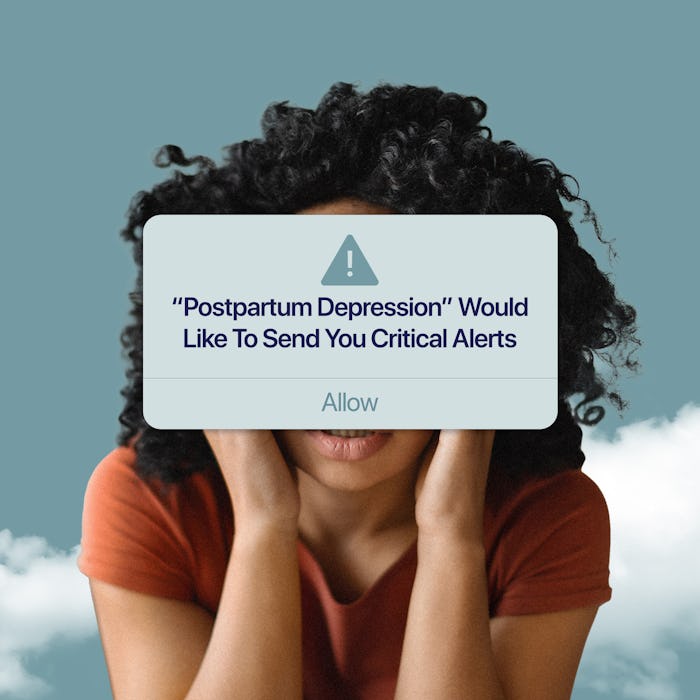
Can Postpartum Depression Start Months After Birth? Experts Explain
When the fog, sadness, or anxiety creeps in at three — or even six — months, you might wonder if it’s still PPD.
Remember your six-week postpartum checkup? Your OB likely handed you a clipboard and asked you to fill out a screening for postpartum depression (PPD). It can feel like a milestone: You made it through pregnancy, delivery, and those hazy newborn weeks. You’re in the clear — right?
But what if the hard feelings don’t show up until later? What if the fog, sadness, or anxiety creeps in at three months — or even six? What if it happens well after the newborn stage?
According to experts, that’s more common than many moms realize.
Yes, PPD Can Show Up Months Later
The Diagnostic and Statistical Manual of Mental Disorders (DSM-5) technically defines PPD as depression that begins during pregnancy or within four weeks of delivery. But in practice, it’s rarely that tidy.
“Symptoms consistent with a major depressive episode may appear much later — some research suggests they can develop three, six, or even up to 12 months after delivery,” says Dr. Zachary Rubeo, a board-certified maternal-fetal medicine specialist at Pediatrix Medical Group.
Clinically, many providers consider postpartum depression to include depression that begins anytime within the first year after birth. And even beyond that window, symptoms tied to pregnancy or the postpartum transition deserve attention.
“We sort of say that it can show up anytime,” says Dr. Catherine Birndorf, a reproductive psychiatrist and CEO of The Motherhood Center. “As long as there are seeds of it from the pregnancy, delivery, or postpartum.” For example, if someone comes in years later describing depression that began after having children, “I’m like, you probably had untreated postpartum depression. We just don’t call it that when the kid’s four,” she explains.
In other words: If it began around the transition to motherhood, it counts — even if no one named it at the time.
How Common Is PPD?
PPD is both very common — and often misunderstood.
Research estimates that 10 to 20% of new mothers worldwide experience PPD, though many clinicians believe the actual number is much higher. Birndorf estimates it may affect as many as one in three women, with rates often higher among BIPOC mothers due to disparities in care and systemic barriers.
“It’s underreported, underdiagnosed, undertreated, and misunderstood. Often, we just suck it up because we’re women,” she notes.
Part of the issue is timing. After the standard four- to eight-week postpartum visit, many parents aren’t screened again unless they raise concerns themselves.
Why Symptoms Can Emerge Later
There isn’t one single cause of late-onset PPD. It’s usually a mix of hormonal shifts, exhaustion, and cumulative stress.
Rubeo explains that support often changes in the months after birth. Early on, there may be a flurry of family and friends dropping off meals and checking in, but by three months, that help often fades. Around the same time, many U.S. parents return to work, navigating separation from their baby while juggling childcare logistics and financial pressure. As families settle into a “new normal,” the demands of parenting pile up — and for parents who were already vulnerable, or whose earlier symptoms went unnoticed, that added stress can tip the balance.
What Late-Onset PPD Can Feel Like
PPD doesn’t always look like sobbing on the bathroom floor. Sometimes it looks like irritability, numbness, or the sense that everything feels heavier than it should.
That’s why Birndorf prefers the broader term “perinatal mood anxiety disorder” (PMAD), which includes depression but also anxiety, OCD, PTSD, and psychosis.
Rubeo says patients often report depressed mood, hopelessness, and a loss of interest in activities. Other symptoms can include fatigue, difficulty concentrating, agitation, guilt (especially around caring for the baby), and weight changes unrelated to dieting.
“Every patient’s presentation is unique,” Rubeo says. “If your mental health feels persistently altered from your baseline and it’s affecting your daily life or bonding with your baby, that’s worth paying attention to.”
In severe cases, some women experience hallucinations or thoughts of self-harm or harming their baby. These situations are rare but require immediate medical attention.
What To Do If This Sounds Familiar
Even if symptoms emerge months after birth, they are still valid — and treatable.
“The most important thing is not to keep your symptoms to yourself,” says Rubeo. “Too many women suffer alone because of stigma or feelings of failure as a parent.”
He encourages parents to reach out to their OB-GYN or primary care provider. Treatment is effective and may include therapy, medication, support groups, or a combination.
Motherhood can change your hormones, your sleep, and your identity. If your mental health shifts too — even months later — that’s not a personal failure. It’s a sign you deserve support.
Presented by BDG Studios
