Life
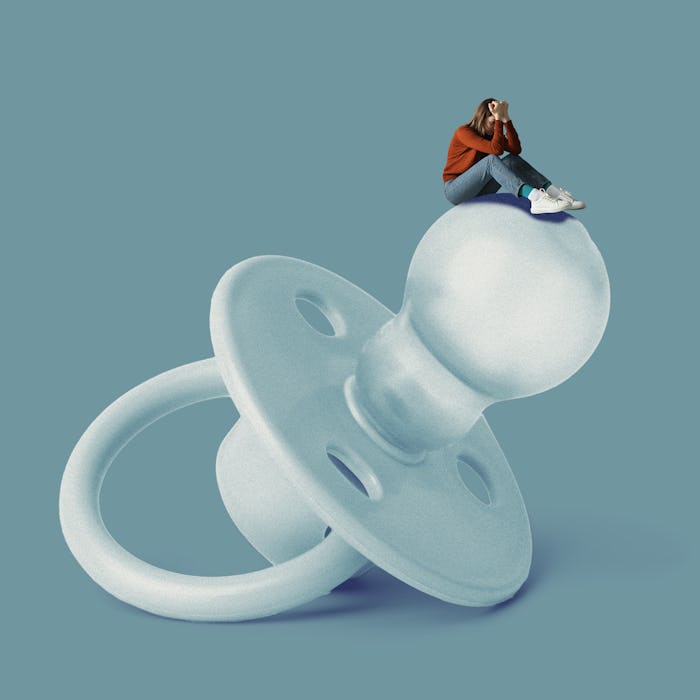
Feeling Hopeless & Anxious After Having A Baby? Here's Why It Could Be PPD
It’s more common than you think.
First off, we see you. You’re doing so much right now, and you’re taking a moment to check in with yourself. With a new baby comes new routines, new responsibilities, and constant change. It is a major transition for both your body and your brain. In those early weeks, feeling tearful, anxious, overwhelmed, or simply not like yourself is very common, and for many parents, those feelings ease as hormones stabilize and sleep slowly returns.
Sometimes, that heavy fog doesn’t lift right away. The sadness lingers. The worry grows louder. Or you feel oddly disconnected from things that once brought you joy. You might wonder how you can love your baby so deeply and still feel numb, overwhelmed, or constantly on edge. When those feelings persist and begin to affect everyday life, it isn’t a personal failing. It’s a sign that something deeper may need care and attention.
For many new parents, that “something” is postpartum depression (PPD), a condition far more common than it is openly discussed. Research estimates that PPD affects roughly 10–17% of new mothers worldwide. But according to Lorain Moorehead, LCSW, PMH-C, a licensed clinical social worker, the reality may be even more widespread. “About one in five mothers are diagnosed,” she explains, “and it is estimated that 30%–50% are not diagnosed.” That disconnect between lived experience and diagnosis highlights how quietly PPD can emerge, and how many parents are navigating it without ever putting a name to what they are feeling.
If any of this feels uncomfortably familiar, know you’re not alone. Ahead, we break down the postpartum depression signs experts say are worth paying attention to and why early support can make a real difference.
When Symptoms Show Up — And Why They Can Be Confusing To Read
Many people assume PPD happens immediately after birth, but the signs don’t always show up right away. “Symptoms can start four to eight weeks after childbirth and may not show up until 10 months post birth,” says Dr. Anushka Chelliah, MD, a board-certified maternal-fetal medicine specialist. “Clinically, PPD is defined as depression that begins within the first 12 months postpartum,” says Moorehead.
And even when the calendar moves past that mark, the body and family system don’t snap into place overnight. If symptoms begin in that first year, they can linger as hormones, identity, and the division of labor continue to shift as the baby grows older. “Even the hormonal changes that come with weaning or stopping breastfeeding can throw things off again,” adds Moorehead.
Complicating things further is the whirlwind of early postpartum itself. Most new parents experience the so-called “baby blues,” which can include tearfulness, anxiety, mood swings, or feeling overwhelmed in the first two weeks. Postpartum depression stands out by its duration and its impact on daily life. “Symptoms of postpartum depression tend to be more persistent and intrusive,” Chelliah explains.
Moorehead notes that some anxiety or intrusive thoughts can be normal in newborn care, but PPD becomes more likely “when it interferes with daily life, when the parent does not feel they are able to bond with their baby, when they don’t have feeling toward their baby, or the baby consumes all of their thoughts to the point of having limited joy.”
What PPD Can Actually Feel Like
Postpartum depression doesn’t look the same for everyone. It often shows up as a mix of emotional, mental, and physical symptoms that vary from person to person. Below are some of the ways it commonly appears:
1. You’re Past The Point of “Sad”
Sadness is absolutely a valid part of PPD, but it’s rarely the whole picture. Chelliah lists anxiety, tearfulness, guilt, hopelessness, panic, and feeling overwhelmed as common experiences. Moorehead notes that parents may also feel “emptiness, numbness, loss of interest or pleasure, feeling guilty or ‘less than,’ feeling like a bad mom, decreased frustration tolerance, and fatigue.”
2. You’re Struggling To Focus
It’s easy to chalk up new-parent forgetfulness or mental fog to sleepless nights, but cognition is an area where PPD can take hold. According to Chelliah, postpartum depression can manifest as “inability to concentrate or focus on activities, feeling overwhelmed, and poor decision making.” Many people describe getting stuck in cycles of rumination, spending hours worrying, or feeling mentally frozen in ways that make even simple tasks feel hard to start.
3. You’re Feeling Different In Your Own Skin
Moorehead notes that “weight gain, withdrawing from family and friends, and low energy” are often brushed off because they look a lot like the regular new-parent life. You’re in survival mode, your body is recalibrating, and no one expects you to be the life of the party at six weeks postpartum. However, if these changes seem uncharacteristic of you or persist long after the newborn fog lifts, they may need further attention.
4. You’re Not Connected To The Baby
While hormones play a role, Moorehead says routine and identity upheaval play a part in how PPD affects bonding: “Feeling a strong ambivalence about loving the baby but missing the activities and life and body that existed before the baby can be very discouraging.” Chelliah adds that anxiety and sadness can “interfere with bonding and socialization,” even when love and care are present.
When To Reach Out (And Why It’s Not A Personal Failing)
Postpartum depression can affect anyone, though certain factors can increase the likelihood of developing it. These include a personal history of depression or anxiety, depression during pregnancy, thyroid disorders, high levels of stress after birth, neonatal complications, or limited social support. None of these risk factors reflect a parent’s competence or desire to care for their child. They are medical and environmental realities, not personal shortcomings. “With the right treatment and support, the majority of women move through this,” says Chelliah.
If you’re unsure whether what you’re feeling is “bad enough” to count as PPD, clinicians suggest paying attention to persistence and impact. Chelliah notes that if symptoms “persist after two weeks or become intrusive in the ability to complete activities of daily living or are involved with thoughts of hurting yourself or others, you need to seek medical attention.”
Even without a diagnosis, Moorehead stresses that support is justified: “It doesn’t matter if you have clinical PPD or simply feel like you’re ready to have support. You deserve to have support.”
What holds true for nearly every parent experiencing postpartum depression is this: it is common, it is treatable, and you are far from alone in navigating it.
Presented by BDG Studios
