Parenting
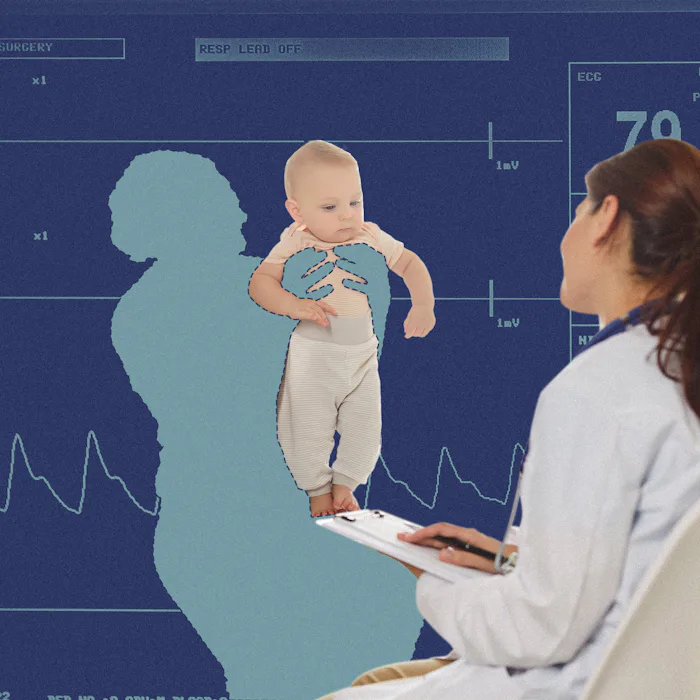
How The Healthcare System Is Letting Down Moms With PPD
Everyone asks about the baby, but who’s checking on mom?
After years of navigating IVF and months of antenatal anxiety, a close friend of mine gave birth recently. A few days after she came home from the hospital, I texted her, “How are you doing?”
She answered the way many new mothers do, “The baby is doing great.”
I wrote back, “I mean, how are you doing?” It’s a question we ask new mothers all the time, but not always one we leave much room for them to answer openly, especially if they’re struggling behind the scenes. It wasn’t until I (gently) pried that she admitted how difficult the transition to motherhood had been and how much anxiety she’d been carrying.
Once pregnancy is over, mothers stop being the focus. And while studies show postpartum depression (PPD) affects roughly one in seven women, many new moms say they feel ignored, dismissed, or left to figure out their mental health struggles largely on their own.
The problem isn’t simply one of awareness — it’s also structural. From limited postpartum follow-up and fragmented mental health care to logistical barriers like childcare, insurance, and a lack of paid leave, the healthcare system often leaves mothers with PPD to fend for themselves at a time when they may need the most support. Here’s where our experts say many mothers continue to fall through the cracks.
Many Mothers Feel Their Care Ends After Birth
One of the initial challenges in postpartum care is that mothers often transition away from being the primary focus of care quite quickly. During pregnancy, they’re closely monitored with regular appointments, symptom checklists, and frequent check-ins. After delivery, however, “the attention tends to move to the baby — in the household, at pediatrician appointments, and even in social conversations,” says Dr. Anushka Chelliah, MD, a board-certified maternal-fetal medicine specialist at Pediatrix Medical Group based in Houston. “Mothers no longer feel they are the priority in health care, and it’s a big shift from the prenatal period,” she says.
That shift means some women find themselves with fewer touchpoints with their own providers at precisely the moment they’re experiencing some of the biggest physical, emotional, and lifestyle changes of their lives. And when you do have a visit, “postpartum visits can feel more rushed, leaving mothers surprised by how abruptly their own care seems to end,” says Chelliah. In a single appointment, providers may be covering everything from healing and birth control to feeding and recovery, which can make it difficult to have time to fully unpack how a mother is coping emotionally.
Too Many Symptoms Get Written Off As “Normal”
One of the tricky parts of recognizing and helping with PPD is that it might not always appear in the way people typically expect. Providers, family members, and mothers themselves often look for the more “classic” signs of PPD, such as sadness or hopelessness, but Chelliah says symptoms like anxiety, emotional numbness, irritability, anger, and insomnia frequently go overlooked. Lorain Moorehead, LCSW, PMH-C, a licensed clinical social worker based in Scottsdale, Arizona, says cultural expectations that mothers should simply “push through” the challenges of early parenthood often reinforce this. “We brush off mothers who are getting barely any sleep or dismissively say, ‘sleep when the baby is sleeping,’” says Moorehead.
At the same time, symptoms like heightened emotions can often be mistaken for normal postpartum experiences, according to Chelliah. The message, however unintentional, is that exhaustion, overwhelm, and emotional struggles are simply part of new motherhood rather than potential signs of something deeper.
Mothers Need More Than A Screening Form
Many new mothers receive a PPD screening at their postpartum appointment, often in the form of a brief questionnaire. These tools are important: Chelliah notes that the Edinburgh Postnatal Depression Scale, which assesses symptoms over the previous seven days, is an evidence-based screening tool that has “significantly improved our ability to recognize postpartum mental health concerns that might otherwise go unnoticed.” However, screening alone isn’t enough. “One challenge is that this tool relies on self-reporting,” she says. “Many mothers minimize their symptoms because they feel embarrassed or fear that others will question their ability to care for a baby, or they may think these symptoms are normal.”
Moorehead agrees that the questionnaires create an opportunity to discuss symptoms, but says they often can’t capture the full picture. Ultimately, “the effectiveness of screening depends entirely on what happens after the questionnaire is completed,” says Chelliah. A positive screen should ideally open the door to a deeper conversation about sleep, support, anxiety, intrusive thoughts, and daily functioning, along with referrals or follow-up care when needed.
Logistical Challenges Of Getting Mental Health Care
Even when mothers admit they're having a hard time, seeking help can seem almost impossible. Childcare responsibilities, finances, transportation, work obligations, and limited leave policies can all impede the ability to seek support. These social and logistical factors are “some of the most significant predictors of whether postpartum depression or anxiety is identified and treated versus missed entirely,” says Chelliah. At the same time, many families are still navigating hospital bills, insurance paperwork, and the financial realities of welcoming a new baby. Additionally, “many mental health providers remain out of network during a time when many mothers are still receiving hospital and doctor bills for the birth,” says Moorehead.
Certain demographics are particularly vulnerable: Chelliah says women may miss their postpartum care visits because of “cultural barriers such as language or literacy limitations when accessing these screening tools.” In addition, “Black women and American Indian women experience postpartum depression at higher rates but are less likely to be screened and treated,” adds Moorehead.
The Burden Of Care Coordination Falls To Mom
Perhaps the biggest problem is that postpartum care is often fragmented. After delivery, mothers may move between their OB-GYN, their baby’s pediatrician, primary care providers, and mental health professionals — but those providers may never communicate with one another.
Instead, mothers often become the person responsible for connecting the dots between appointments, relaying information between providers, and figuring out where to turn next if something feels wrong.
“Postpartum care is often spread across multiple providers who each see only one piece of the mother's experience,” says Chelliah. A pediatrician may notice signs of maternal distress during a well-baby visit, while an OB-GYN may not see the patient again for weeks. Mental health concerns can easily fall into the spaces between specialties, and as a result, no single clinician may have a complete view of what a mother is experiencing.
The Support Moms Deserve
Both experts agree that improving postpartum mental health care doesn’t mean you have to completely overhaul the whole system. Instead, Chelliah points to extending postpartum coverage to 12 months, improving insurance coverage, and integrating mental health care into obstetric and pediatric settings — including telehealth options.
Moorehead says better communication between providers could also make a meaningful difference. It can be as straightforward as sharing screening results among specialists, coordinating referrals, following up during pediatric visits, or appointing one clinician to piece everything together, so the mother doesn't bear the full responsibility. Chelliah encourages mothers to answer screening questionnaires honestly and speak up if they feel overwhelmed, worried, or scared. Moorehead says providers can complement those screenings by asking about a mother’s daily life: “What does a typical day look like? When was the last time she cried? Is she sleeping? Does she have help? The type of feelings she has throughout the day can give a lot more information” than a form alone.
Perhaps the most important thing new mothers need to hear is this: Struggling after birth isn’t a personal failure, and it isn’t something they simply have to endure. The burden of navigating postpartum mental health shouldn’t rest entirely on mothers themselves. Even if a mother doesn’t meet every checkbox for a PPD diagnosis, her experiences still deserve to be taken seriously. “The symptoms new moms are experiencing are real, and they may present a little differently for everyone,” says Chelliah.
If you or someone you love is struggling after giving birth, visit Postpartum Support International for help finding support groups or mental health professionals.
Presented by BDG Studios
